
Planning a first trip to Israel can feel overwhelming. There is so much history, landscape and culture packed into a small country. This 7-day itinerary is designed for first-time visitors in 2026. It focuses on the essential highlights at a realistic pace so you leave with strong memories rather than exhaustion.
Who This Itinerary Is Designed For
This plan works especially well if you:
- Are visiting Israel for the first time
- Want a balanced mix of city life, history and nature
- Prefer a sustainable pace rather than trying to see everything
- Are traveling as a couple, solo traveler, or with older children / teens
It is less suitable if your main goal is the far north, the deep Negev, or extensive hiking.
7-Day Itinerary Overview
- Days 1–2 – Tel Aviv & Jaffa
- Days 3–4 – Jerusalem
- Day 5 – Dead Sea & Masada
- Days 6–7 – Flexible (Tel Aviv beach time, extra Jerusalem, or a northern day)
Days 1–2: Tel Aviv and Jaffa
Arrive and use Tel Aviv as your base. These two days are for adjusting to the time zone and enjoying the city’s atmosphere.
Recommended experiences:
- Beach promenade and swimming (Gordon, Frishman or Hilton areas)
- Old Jaffa – alleys, port, and sunset views
- Carmel Market (see also our wider guide to Markets in Israel)
- Neve Tzedek neighborhood
- Bauhaus architecture along Rothschild Boulevard
- A stroll through HaYarkon Park if you want green space
- Optional visit to the Great Synagogue of Tel Aviv
For a local perspective on the city, you may also enjoy What Is It Like Living in Tel Aviv?. More ideas appear in our dedicated post: Things to Do in Tel Aviv.
Days 3–4: Jerusalem
Take the high-speed train from Tel Aviv to Jerusalem (approximately one hour). Stay in or near the city center or the Old City for convenience.
Priorities over two days:
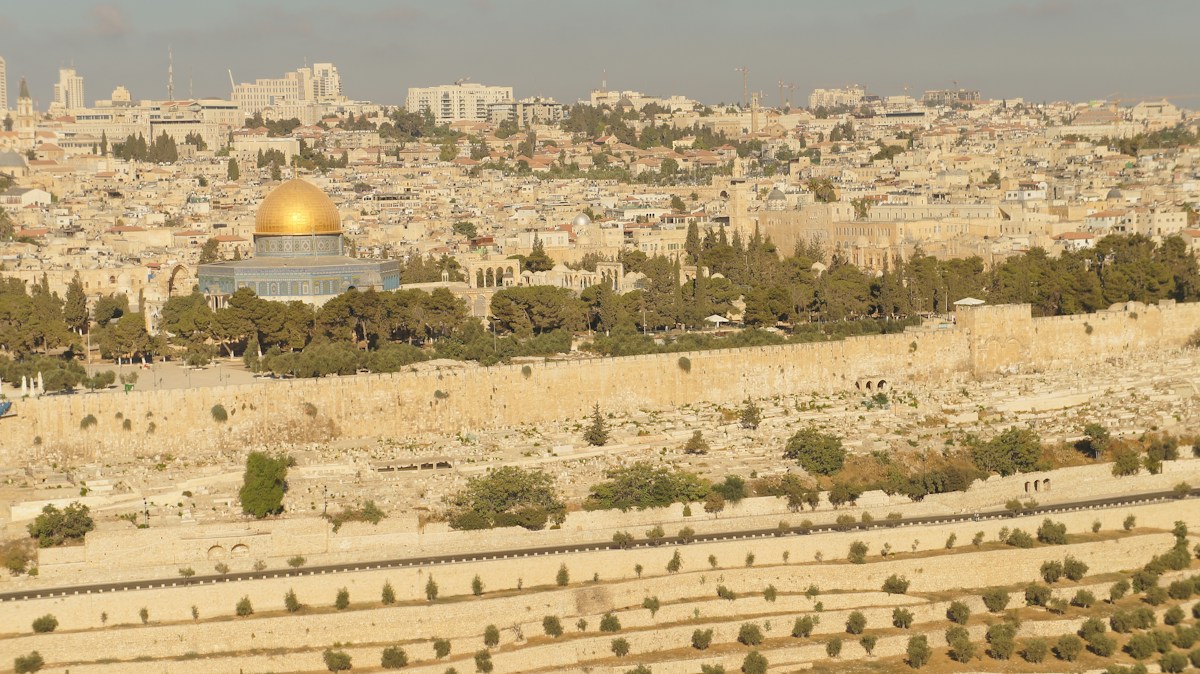
- Old City walking – Western Wall, Church of the Holy Sepulchre, the four quarters
- The Armenian Quarter and St. James’ Cathedral
- Mount of Olives viewpoint
- One major museum (Israel Museum or Yad Vashem)
- Machane Yehuda Market in the late afternoon or evening
- Time to simply walk and absorb the atmosphere without rushing
If you have a free morning and prefer nature, the Springs Trail near Jerusalem is a lovely half-day option. Always check the latest situation in our safety guide before finalizing plans.
Day 5: Dead Sea and Masada
This is often the most memorable single day for first-time visitors. Start early. Visit Masada first (the cable car is recommended for most people), then continue to the Dead Sea for floating. Ein Gedi is a good additional stop if time allows.
This is a long day. Many travelers prefer an organized tour from Jerusalem or Tel Aviv. For the historical background, read our full article: Masada’s Heroic Battle.
Days 6–7: Flexible Ending
You have several good options:
- Return to Tel Aviv for beach time and a relaxed finish
- Spend an extra day in Jerusalem
- Do a northern day (Nazareth, Sea of Galilee, Church of the Multiplication, or Gofra Beach)
- Visit Caesarea on the way back toward Tel Aviv
For more ideas see Best Day Trips from Tel Aviv and our broader Jesus in Israel guide if you are following biblical sites.
Where to Base Yourself
- Nights 1–2 and usually 6–7: Tel Aviv
- Nights 3–4 (and possibly 5): Jerusalem
This split keeps packing light and logistics simple.
Practical Tips
- Book Tel Aviv–Jerusalem train tickets ahead during busy periods.
- A full-week car rental is not essential. Many people manage with trains + one organized tour or a one-day rental for the Dead Sea.
- Pack according to the season – use our Best Time to Visit + Packing List.
- Bring a proper Israel travel adaptor.
- If you like bringing home meaningful items, see our list of Israeli souvenirs.
Frequently Asked Questions
Is 7 days enough for a first visit?
Yes for the core highlights – Tel Aviv, Jerusalem, Dead Sea and Masada. You will not see the entire country, but you will experience the places most first-time visitors remember most strongly.
Should I rent a car for the whole week?
Not necessary. Trains cover Tel Aviv–Jerusalem well. A car or tour is more useful for the Dead Sea day and any northern exploration.
What is the best month for this itinerary?
April–May and October–early November usually offer the best combination of weather and manageable crowds. See also Holidays in Israel if your dates overlap with major festivals.
Can I start in Jerusalem instead of Tel Aviv?
Yes. Some travelers prefer to begin in Jerusalem and end in Tel Aviv. Both directions work well.