
Last updated: November 27, 2026
The Sea of Galilee (known in Hebrew as the Kinneret or Lake Kinneret) is one of Israel’s most beloved destinations. This large freshwater lake in the north sits more than 200 meters below sea level and is surrounded by green hills, ancient sites, and quiet beaches. For many visitors it is the highlight of a northern Israel trip, combining natural beauty with deep biblical history.
Whether you are interested in the places associated with Jesus’ ministry, looking for a refreshing swim, or planning a relaxed lakeside day, this guide covers everything you need for 2026. It includes practical transportation advice, the best sites and beaches, sample itineraries, and current tips drawn from local experience and recent visitor information.
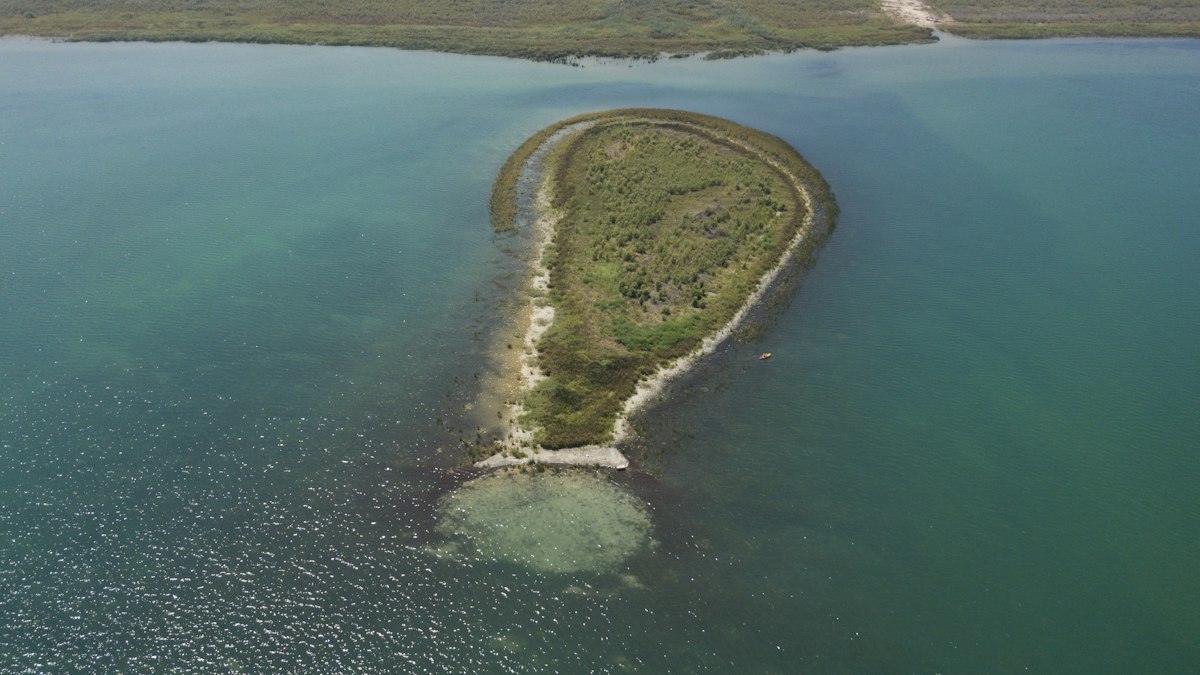
The Sea of Galilee stretches across the Jordan Rift Valley, offering calm waters and dramatic mountain backdrops. Photo: Unsplash (free to use).
How to Get to the Sea of Galilee
Most travelers reach the lake from Tel Aviv, Jerusalem, or Nazareth. Driving is the most flexible option.
- From Tel Aviv: Roughly 1.5–2 hours via Route 6 or the coastal road, then inland. A full day is realistic for a focused visit.
- From Jerusalem: About 2–2.5 hours depending on traffic and route.
- From Nazareth: Only 30–45 minutes, making it easy to combine both.
Public transport exists but is slower. Buses run from major cities to Tiberias, the main town on the western shore. From there you can take local buses, taxis, or the seasonal Kinneret Circumference shuttle that stops at various beaches. Many visitors prefer a rental car or an organized day tour for efficiency, especially when combining several sites.
If you are building a broader trip, see our Perfect 7-Day Israel Itinerary for First-Timers (2026) and our guide to the Best Day Trips from Tel Aviv.
Top Biblical and Historical Sites
The northwestern shore holds the highest concentration of sites linked to the New Testament. These places are compact enough to visit several in a single day.
Capernaum (Kfar Nahum)
Capernaum was a fishing village and the center of much of Jesus’ Galilean ministry. The main archaeological site is managed by the Franciscans. You can see the remains of a 4th-century synagogue built over an earlier one, plus the traditional house of Peter under a modern church. Entry is modest (around 10 ILS). Hours are typically 8:00–12:00 and 14:00–17:00, with a midday closure. Nearby is a separate Israel Nature and Parks Authority area with a floating dock used by boat tours.
Read more in our dedicated post on St. Peter’s Church in Capernaum.
Mount of Beatitudes and Tabgha
A short drive or walk separates Capernaum from the Mount of Beatitudes, the traditional location of the Sermon on the Mount. The octagonal Church of the Beatitudes, designed by Antonio Barluzzi, sits in landscaped gardens with excellent lake views. Entry is low-cost or free depending on the exact arrangement; hours are generally morning and afternoon with a midday break.
Below it lies Tabgha, home to the Church of the Multiplication of the Loaves and Fish (famous for its ancient mosaic) and the Church of the Primacy of St. Peter. Both are free or donation-based. Our posts on the Church of the Beatitudes and the Church of the Multiplication give more background.
Other Nearby Sites
Magdala (Migdal) has a well-presented 1st-century synagogue and visitor center. The “Jesus Boat” museum at Kibbutz Ginosar displays a 1st-century fishing boat recovered from the lakebed. Further afield, sites such as Korazim and Kursi offer quieter archaeological experiences. For a longer perspective on Christian heritage in the region, see Jesus in Israel: Walking in His Footsteps and the Jesus Trail.

Lakeside views near the biblical sites on the northwestern shore. Photo: Pixabay (free to use).
Best Beaches for Swimming and Relaxing
The Sea of Galilee is freshwater and generally calm, making it pleasant for swimming when lifeguards are on duty. Most public beaches managed by the Kinneret Cities Association offer free pedestrian entry; you usually pay only for parking. Always check current conditions, as water levels fluctuate and some stretches are not supervised.
| Beach | Location | Highlights | Notes |
|---|---|---|---|
| Gofra Beach | Eastern shore | Camping, shade, facilities | Popular for longer stays |
| Tzemach Beach | Southern shore | Quiet, accessible | Free pedestrian entry |
| Hukok / Karei Deshe | Northwestern | Family-friendly, shade | Good for picnics |
| Ein Gev area | Eastern shore | Views, restaurants | Check supervised hours |
Our detailed post on Gofra Beach covers camping options and practical information. In summer, start early or visit later in the afternoon to avoid the strongest heat. Water levels in late 2026 remain below the lower red line, which can expose more shoreline in places but does not prevent swimming at designated beaches.
Sample Itineraries
Classic day from Tel Aviv or Nazareth (biblical focus):
Morning at Capernaum → Mount of Beatitudes and Tabgha → short swim or lunch by the lake → optional boat ride or Ginosar Jesus Boat → return by late afternoon.
Relaxed lakeside day:
Arrive at a northern or eastern beach mid-morning → swim and picnic → short drive to a viewpoint or one site such as the Mount of Beatitudes → sunset from a western or eastern shore location.
Overnight or two-day option:
Base yourself in Tiberias or a lakeside kibbutz. Day 1: northwestern biblical circuit. Day 2: eastern shore beaches, optional visit to nearby nature sites, or a section of the Kinneret Trail (the circular walking/cycling path around the lake).
For broader planning, check our Best Time to Visit Israel in 2026–2027 guide.
Practical Tips for 2026
- Best time: Spring (March–May) and autumn (September–November) offer the most comfortable temperatures. Summer is hot; winter is milder and quieter.
- What to bring: Water, sun protection, modest clothing for religious sites (shoulders and knees covered), swimming gear, and a light layer for cooler evenings.
- Fees: Most church sites are free or low-cost (around 10 ILS at Capernaum). National parks charge standard entrance fees. Beaches are generally free for pedestrians.
- Safety and conditions: Swim only at supervised beaches. Check the Israel Nature and Parks Authority or local notices for any temporary changes. Current travel conditions in Israel remain generally normal for the north; see our updated Is It Safe to Travel to Israel Right Now? post for the latest overview.
- External resources: Official hours and alerts appear on the Israel Nature and Parks Authority website and the Christian Information Center for church-managed sites.
Nearby Attractions Worth Combining
Nazareth is an easy addition, with the Church of the Annunciation and Mount Precipice. Our posts on Mount Precipice in Nazareth and the Wedding Church at Cana provide more detail. Further north or east you can reach Golan Heights sites such as Gamla or parts of the Golan Trail in a longer day.
Frequently Asked Questions
Is the Sea of Galilee a sea or a lake?
It is a freshwater lake (Lake Kinneret). The name “Sea of Galilee” comes from biblical usage.
Can you swim in the Sea of Galilee?
Yes, at designated beaches when lifeguards are present. Most public beaches offer free pedestrian access.
How much does it cost to visit the main biblical sites?
Capernaum is about 10 ILS. The Mount of Beatitudes and Tabgha churches are typically free or donation-based. Check current details on site.
Do I need a car?
A car makes visiting multiple sites much easier. Public transport and taxis are possible but less convenient for a full circuit. Organized day tours from Tel Aviv or Jerusalem are widely available.
What is the best time of year to visit?
Spring and autumn offer the best balance of weather and fewer extreme temperatures. Summer is fine if you plan early starts and beach time.
The Sea of Galilee rewards both first-time visitors and those returning for a slower pace. With its combination of history, scenery, and easy swimming, it remains one of the most rewarding stops in northern Israel.