

Jerusalem is the spiritual and historical heart of Israel. For many travelers, it is the single most important stop in the country. The Old City packs thousands of years of Jewish, Christian, and Muslim history into roughly one square kilometer, while modern neighborhoods, excellent museums, and vibrant markets sit just outside the walls.
This complete 2026 guide covers the best things to do in Jerusalem, realistic itineraries, how to get around, Shabbat considerations, dress codes, and practical local tips so you can plan a smooth and meaningful visit.
Why Visit Jerusalem in 2026
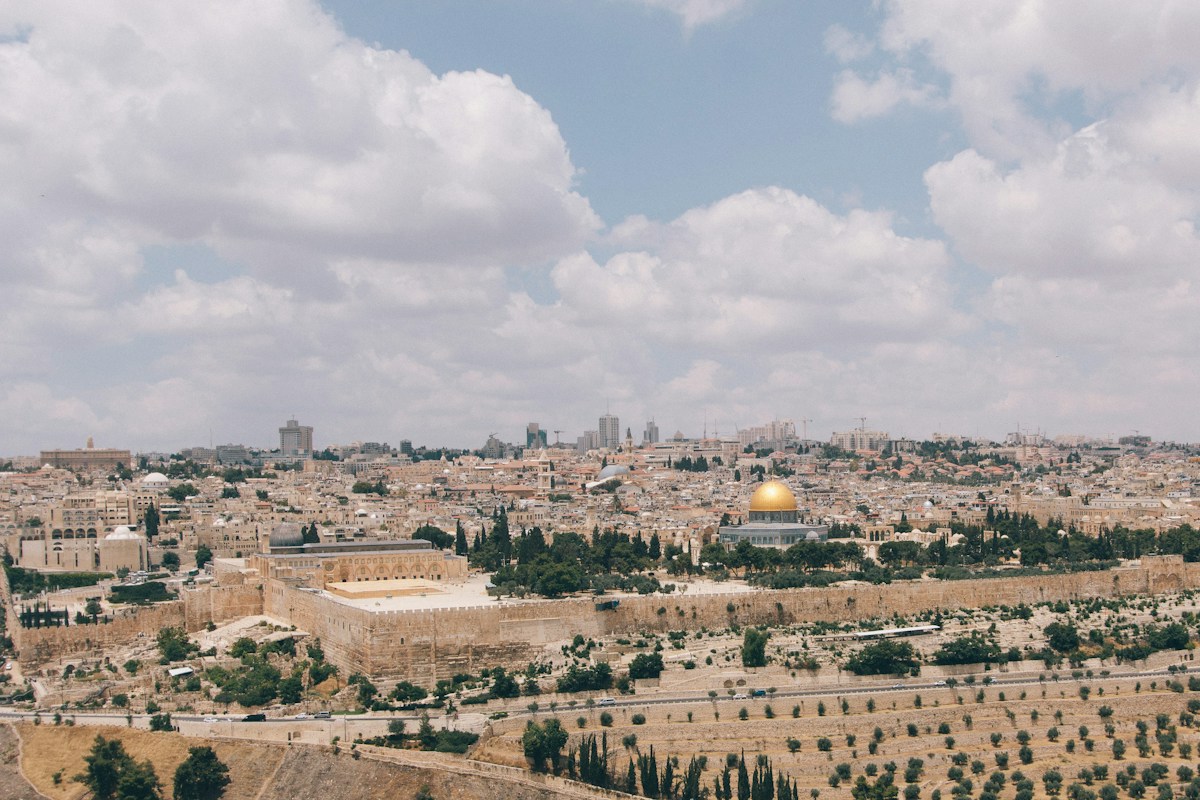
Jerusalem remains one of the world’s most visited and historically dense cities. The Old City and its walls are a UNESCO World Heritage Site. You can walk from the Western Wall to the Church of the Holy Sepulchre to the Muslim Quarter markets in minutes, yet each site carries profound significance.
In 2026 the city continues to improve visitor infrastructure. The high-speed train from Tel Aviv makes day trips easy, light rail and buses connect most major sites, and official tourism resources (including the local tourist office near Jaffa Gate) provide current maps and advice. Whether you come for religious reasons, history, food, or simply the atmosphere, two to three full days are ideal for most first-time visitors.
Pair your Jerusalem stay with our broader planning resources: the Perfect 7-Day Israel Itinerary for First-Timers (2026), the Best Time to Visit Israel in 2026–2027, and the latest safety overview for travel to Israel.
Getting to and Around Jerusalem
Most visitors arrive via Ben Gurion Airport near Tel Aviv. The high-speed train to Jerusalem’s Yitzhak Navon station takes about 30–35 minutes from the airport area or roughly one hour from central Tel Aviv stations. From the station, light rail or a short taxi ride reaches the Old City or city center.
Inside the city:
- Light rail covers many west Jerusalem neighborhoods and connects to the Old City area.
- Buses serve most routes (note that public transport largely stops on Shabbat from Friday afternoon until Saturday evening).
- The Old City itself is best explored on foot. Distances are short, but the streets are uneven and often crowded.
- Taxis and ride-hailing apps are widely available outside Shabbat hours.
For day trips from Tel Aviv, Jerusalem is the clear top choice — see our Best Day Trips from Tel Aviv (2026 Guide).
Best Things to Do in Jerusalem
The Old City and Its Four Quarters
The walled Old City is the essential experience. Enter through one of the main gates (Jaffa Gate is the most convenient for many visitors). The four quarters each have a distinct character:
- Jewish Quarter: Rebuilt after 1967, home to the Western Wall, synagogues, the Cardo, and archaeological sites.
- Christian Quarter: Centered on the Church of the Holy Sepulchre and the Via Dolorosa.
- Muslim Quarter: Bustling markets, the start of the Via Dolorosa, and access points toward the Temple Mount.
- Armenian Quarter: Quieter, with St. James Cathedral and a strong community presence. Read more in our dedicated post on The Armenian Quarter and St. James’ Cathedral.
Allow a full day (or more) to explore properly. The Ramparts Walk along sections of the walls offers excellent views.
Western Wall (Kotel)
The Western Wall is the most sacred accessible site for Jewish prayer. The plaza is open 24 hours a day, every day of the year, and entry is free. Modest dress is required. On Shabbat and Jewish holidays, photography and use of electronics are restricted. Security screening is standard.
Many visitors also book the Western Wall Tunnels tour (advance reservation recommended) for a closer look at the ancient layers beneath the plaza.
Temple Mount / Haram al-Sharif
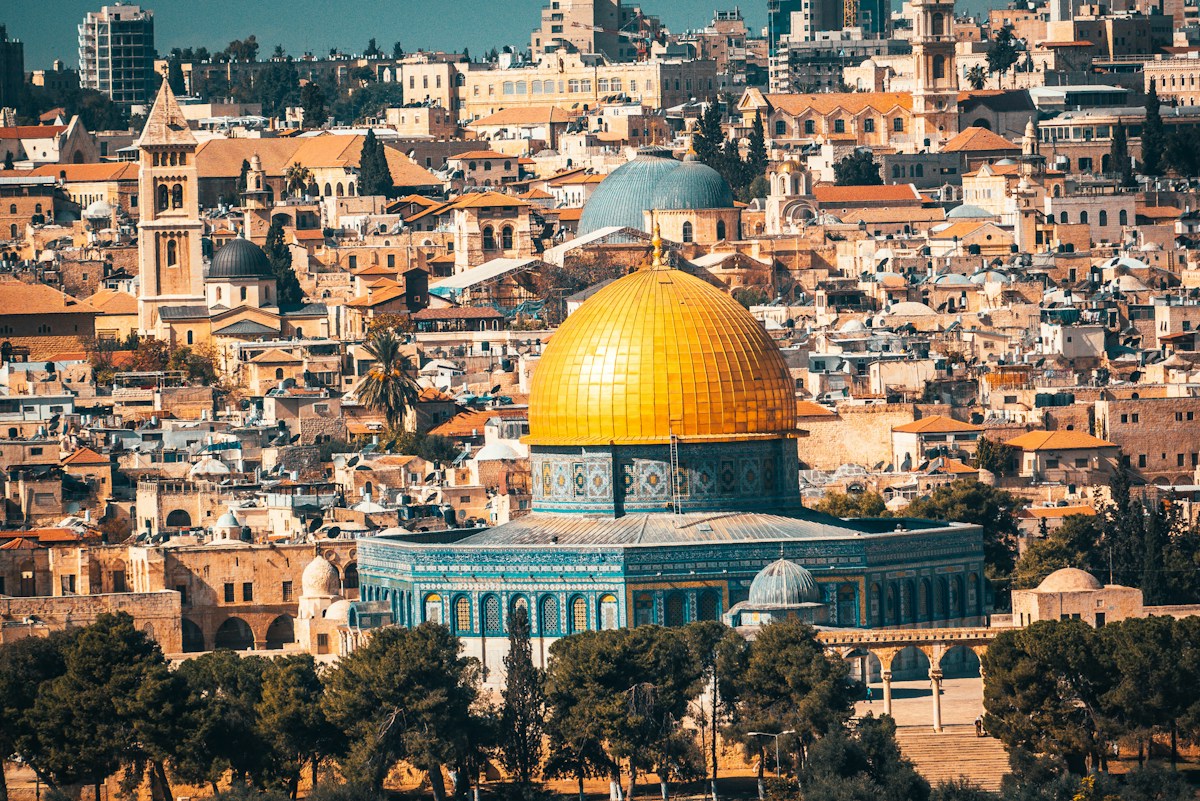
Non-Muslim visitors can enter the esplanade (home to the Dome of the Rock and Al-Aqsa Mosque) only during limited windows, typically Sunday–Thursday mornings and early afternoons via the Mughrabi Gate near the Western Wall. Hours change seasonally and can be restricted; always check current rules the day of your visit. Interiors of the mosques are generally not open to non-Muslims. Modest dress is mandatory.
Church of the Holy Sepulchre and Christian Sites
The Church of the Holy Sepulchre marks the traditional site of Jesus’ crucifixion, burial, and resurrection. Entry is free; expect queues and a powerful atmosphere. Combine it with a walk along the Via Dolorosa. Other important sites include the Mount of Olives (Garden of Gethsemane, panoramic viewpoints), Mount Zion, and the Garden Tomb (an alternative location some prefer). For deeper context, see our overview of Jesus in Israel: Walking in His Footsteps.
Museums and Beyond the Walls
Outside the Old City:
- Israel Museum: Home to the Dead Sea Scrolls (Shrine of the Book), extensive archaeology, art, and the Second Temple model. See our dedicated guide: The Israel Museum.
- Yad Vashem: Israel’s Holocaust memorial and museum. Allow several hours; timed entry is usually required. Closed on Shabbat.
- Tower of David Museum: Excellent introduction to Jerusalem’s history near Jaffa Gate, plus night shows.
- Mahane Yehuda Market: The city’s main market — food, produce, and nightlife after dark. More on markets in our Markets in Israel post.
- City of David: Archaeological park south of the Old City with Hezekiah’s Tunnel (wet walk).
For nature close to the city, the Springs Trail (Shvil HaMaayanot) offers a pleasant hike with natural pools.
Sample Itineraries for Jerusalem
One-Day Highlights (Day Trip)
- Early arrival by train.
- Western Wall and Jewish Quarter.
- Walk through Christian Quarter to Church of the Holy Sepulchre.
- Muslim Quarter markets or Ramparts Walk.
- Mount of Olives viewpoint if time allows.
- Optional late stop at Mahane Yehuda.
Two- to Three-Day Stay
- Day 1: Old City full loop (all four quarters, Western Wall, Holy Sepulchre).
- Day 2: Mount of Olives + City of David or Tower of David, plus a neighborhood walk.
- Day 3: Yad Vashem and/or Israel Museum + Mahane Yehuda Market.
Many visitors combine Jerusalem with a day at the Dead Sea and Masada — our Ultimate Guide to the Dead Sea and Masada in 2026 has the details.
Practical Tips for Visiting Jerusalem
| Topic | Key Advice |
|---|---|
| Shabbat | Public transport stops Friday afternoon to Saturday evening. Many restaurants and shops close. Plan accordingly. |
| Dress code | Modest clothing (covered shoulders and knees) is required at religious sites. Bring a scarf. |
| Best time | Spring (March–May) and autumn (September–November) offer pleasant weather. Summers are hot; winters can be cool and rainy. |
| Money | Credit cards widely accepted; carry some cash for markets and smaller vendors. |
| Safety & security | Standard bag checks at major sites. Stay aware of current conditions via official channels. |
| Official resources | Check iTravelJerusalem and the Ministry of Tourism Jerusalem office for the latest hours and events. |
Book popular timed attractions (Yad Vashem, City of David tunnels, Western Wall Tunnels) in advance, especially around holidays.
Where to Eat and Stay
Jerusalem offers excellent food ranging from classic Middle Eastern dishes (hummus, falafel, shakshuka) to modern Israeli cuisine and fine dining. Mahane Yehuda Market is ideal for daytime grazing and evening bars. Many hotels and guesthouses are located near the Old City (Jaffa Gate area), in the city center, or in quieter neighborhoods such as Rehavia or German Colony.
Budget, mid-range, and luxury options are all available. Staying within walking distance of the Old City saves time on your first day.
Frequently Asked Questions
How many days do I need in Jerusalem?
One full day covers the main Old City highlights. Two to three days allow a more relaxed pace that includes museums, Mount of Olives, and markets.
Is the Western Wall open on Shabbat?
Yes, the plaza is open 24/7, but photography and electronics are restricted from Friday evening until Saturday nightfall.
Can non-Muslims visit the Temple Mount?
Yes, but only during limited weekday windows via the Mughrabi Gate. Always verify current hours and rules on the day of your visit, as they can change.
What is the best way to get from Tel Aviv to Jerusalem?
The high-speed train is the most convenient option for most travelers (about one hour). Private transfer or organized day tours are also available.
Do I need to book sites in advance?
The Western Wall and most Old City walking areas do not require tickets. Yad Vashem, City of David, Western Wall Tunnels, and some museum experiences benefit from or require advance booking.
Jerusalem rewards careful planning and an open pace. The density of history, faith, and daily life is unlike anywhere else. Use this guide as your starting point, check current conditions before you go, and leave room to wander the alleys and viewpoints that make the city unforgettable.
For more Israel travel planning, explore our full collection of guides on the site.